Conservative Conservation over Liberal Preservation
It's what the experts are saying.

In an article from earlier this month, I told you about the annual Conservative Hunting and Angling Caucus Wild Game Symposium that took place in Ottawa at the end of May.
At this Symposium, our caucus was joined by hundreds of outdoors stakeholders from across the country - the key theme that came out of the Symposium and the roundtable discussion that followed was access.
Access is a broad term. At our Symposium, access to firearms was a common topic. The panel discussion that followed symposium focused on access to private property in British Columbia.
The access I’m talking about here is access to land.
In March, the Liberal Government announced their “Force of Nature” plan which allocates $3.8 billion in the name of conservation. The government says this plan is based on three pillars of action: Protecting Nature in Canada, Building Canada Well, and Valuing Nature and Mobilizing Capital.
This plan pledges to protect an additional 1.6 million square kilometers of lands in Canada, and up to 700,000 square kilometers of oceans over the next four years.
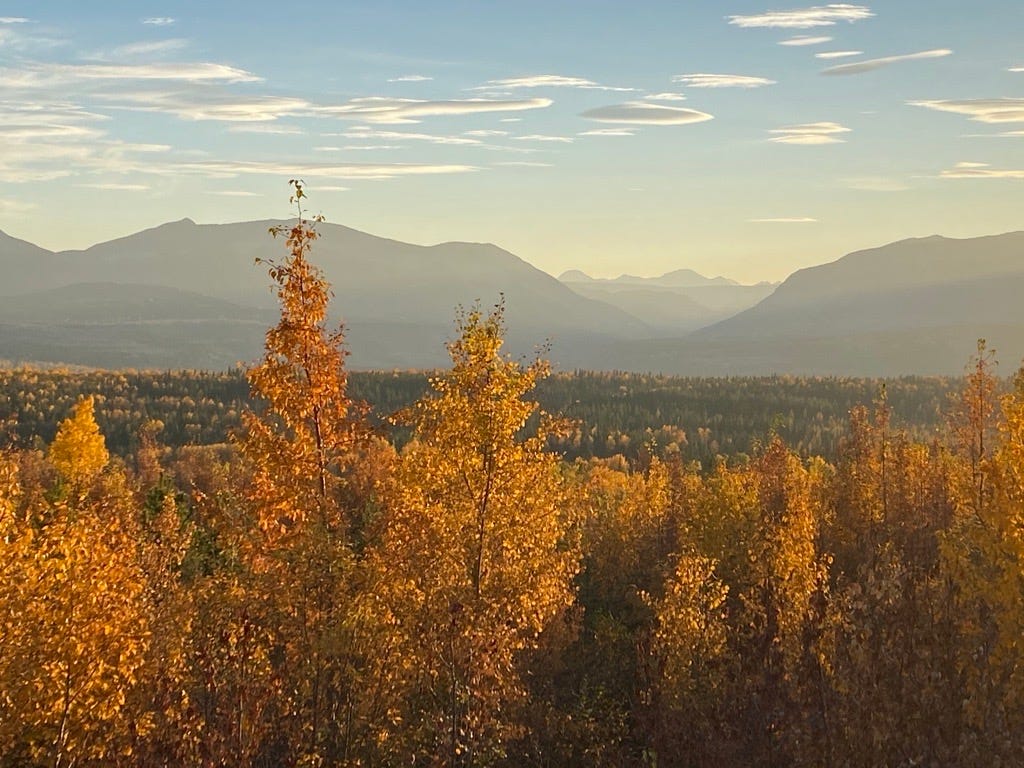
Part of this plan expands Canada’s parks network - but it also expands conservation lands. This announcement gets Canada almost exactly to its commitment of 30% of all lands and 30% of water as a protected area, as established by the COP 15 Agreement Canada signed onto in Montreal in 2022.
The Liberals’ Force of Nature announcement, when completed, will get Canada to 30% of terrestrial conservation and 28% of marine conservation by 2030.
A big deal, right? That’s a lot of land being moved under the umbrella of “conservation.”
But how exactly does this process take place?
What we’ve since learned from this announcement at our Hunting and Angling Caucus’ Symposium - was that there was hardly any consultation between the Liberal government and outdoors stakeholders on conservation. The Liberals just annexed off lands they wanted to be deemed “protected lands.”
In theory - that sounds okay; But practically, it’s not.
Without consultation regarding access comes big questions around hunting, fishing, outfitting, trapping, guiding - even hiking - on protected lands.
With all these questions, massive economic implications could follow.
No consultation with stakeholders on such a massive policy shift is only typical from Ottawa - this is a top down; government knows best approach to conservation — it’s been done quickly, without consultation or feedback, without study and without thought.
It’s been done ideologically - not scientifically.
Conservation is a great thing, don’t get me wrong. But it needs to be done properly.
How do you do it properly? You consult the experts. You don’t do it through top-down via Liberal bureaucracy.
There is nothing wrong with conserving land. Our party, the Conservative Party of Canada, believes in conservation. We have the most pristine outdoors in the world - our hunting, fishing, and trapping is second to none. Our back country is superb and has allowed Canadians from coast to coast to coast to partake in heritage activities for economic, cultural, or personal intentions.
Conservation is important - a necessity. We must preserve our outdoors and protect our greenspace so we can pass it down to our children. As Conservatives, we will always stand on the side of conservation.
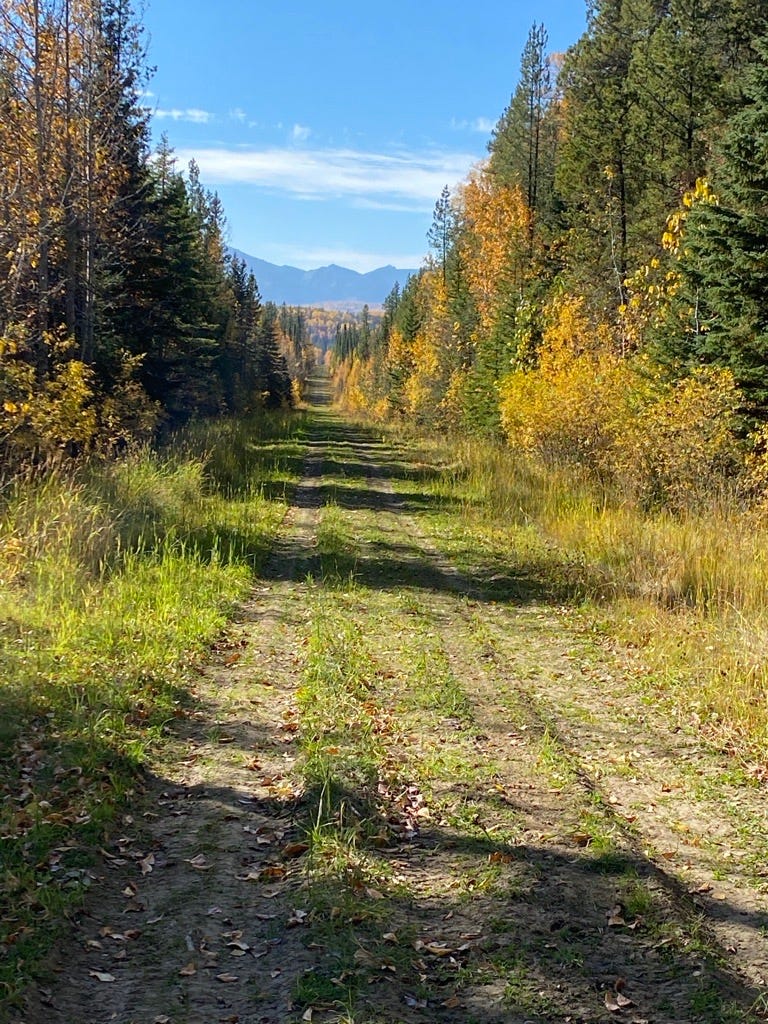
What the Liberals are doing is preservation. They’re putting chains around the land and preserving it from our people. They’re cutting access - by both land and water.
They’re restricting hunting and fishing, closing off land to any development, and cutting access for guides in remote parts of Canada. They are preserving the land and cutting Canadians off from some of the most ruggedly beautiful parts of our country.
Our outdoor recreation sector brings in tens of billions of dollars in economic activity here in Canada annually. For example, Canada’s sport fishing sector brings nearly $10 billion into the economy every year. This is revenue spent by Canada’s five million anglers and many more from around the world that goes right to the federal government and the provinces that support tens of thousands of jobs here in Canada.1
You partner those numbers with the over $5 billion in revenue that Canada’s hunting sector provides, along with the thousands of jobs that are associated with hunting.
Or outfitting - Canada’s outfitting sector supports nearly 40,000 jobs here in Canada and welcomes over 300,000 clients from outside Canada every year with an economic benefit of $5.5 billion annually.2
In the Governments’ own Force of Nature press release they admit: “Canada’s oceans are vital for our economy.” If our oceans are so important to our economy - why are we closing them down to certain types of access?
This is exactly what the Liberals have proposed to do on the West Coast with Chinook and Coho salmon - if they get their way, it’ll be the end of recreational salmon fishing and West Coast angling as we know it. As you may be aware - Pink, Chum and Sockeye salmon fishing has already been relegated to last place priority for anglers on the West Coast - you can read more about that: here.
If the government can do it on the West Coast, then they can do it with the Atlantic Fishery in the east, and they can do it with Arctic char and Lake trout in the north.
An attack on access infringes on the rights of all Canadians. It attacks freedom, jobs, and the food we put on our tables.
Why on earth would we sterilize 30% of our land and water when we could actively manage that land for Canadians to enjoy, to use – because we never know what the future needs might be for that land and water.
Of note, 30% of Canada is just under 3 million square kilometers (about twice the area of Alaska). That is an area larger than 188 of the 195 countries in the world.
I’m not talking about building cities on land we want to conserve - I’m talking about letting Canadians partake in heritage activities on actively managed land via sustainable use.
Hunters, fishers, trappers, and outfitters aren’t polluters. They take care of the land - they live with the land instead of living on it. They protect, care for, and steward the land. Whether they do it for a living, or they do it once a year on tours or camping trips on a long weekend with their friends.
These are not bad people, and they certainly do not deserve to be marginalized, punished, or made to look like the enemy.
We should be working with them to deliver on land conservation.
These are the first conservationists and they are true conservationists.
I’m talking about letting Canadians enjoy the land they own. Not watching it get locked up.
Protecting our land and water should not mean annexing land on the map and coloring it green to match our obligations to the United Nations.
Obligations, I’ll remind you, that Justin Trudeau and Mark Carney signed Canada on to without a single vote cast in Parliament.
Protecting our land should mean embracing our heritage activities, allowing access for people who know our land better than anyone else, and encouraging Canadians from all walks of life and all corners of this vast land to get outside, enjoy the great outdoors, be healthy and take part in the very activities that settled our lands.
Our Conservative Hunting and Angling Symposium attendees were clear: a loss of access means incredible economic losses for our economy. It means less land for Canadians to work on, visit - or even hunt, fish, and guide on. These implications, whether you’re an outdoors person or not, affect us all.
That is why I value conservation over preservation. Let us conserve our land - for heritage activities, for all Canadians; Instead of preserving the land like a time capsule.
Science over ideology.
Culture over politics.
Conservative conservation over Liberal preservation.
It’s what the experts are saying.